Advanced Overhead Line Fault Indicator: Revolutionizing Distribution Network Reliability

Get a Free Quote

Our representative will contact you soon.
Email
Name
Company Name
Message
0/1000

overhead line fault indicator for distribution network

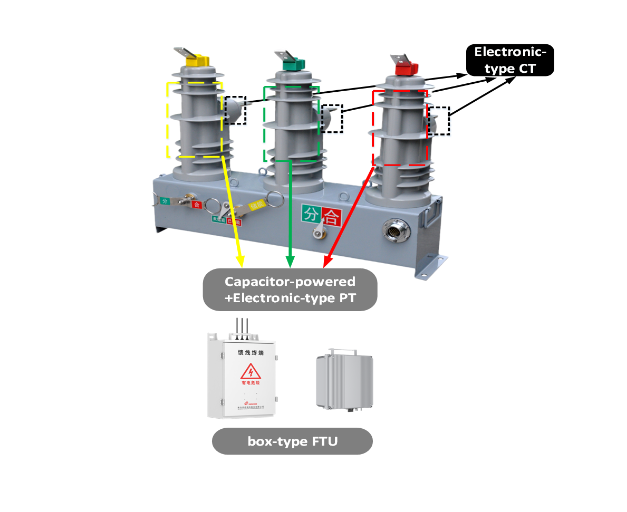
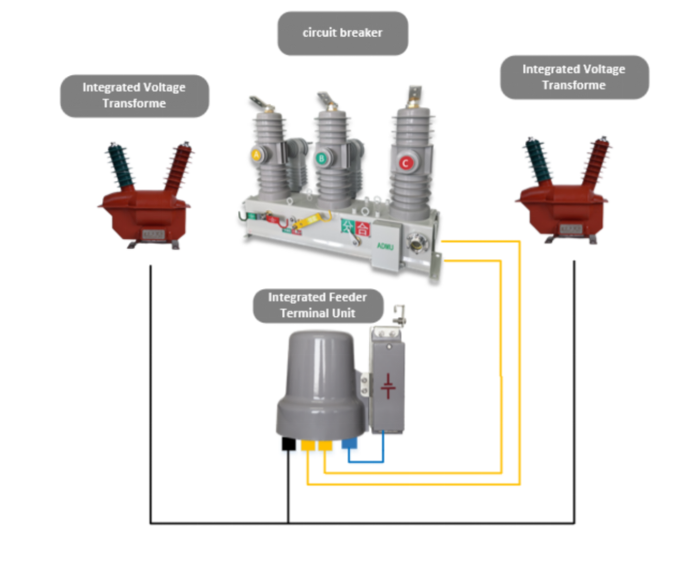
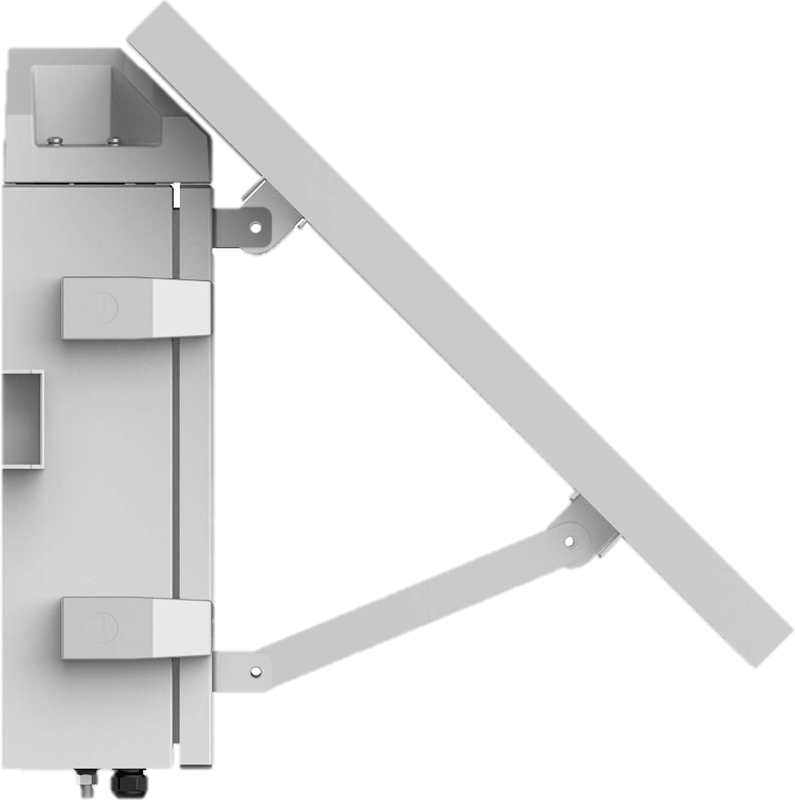
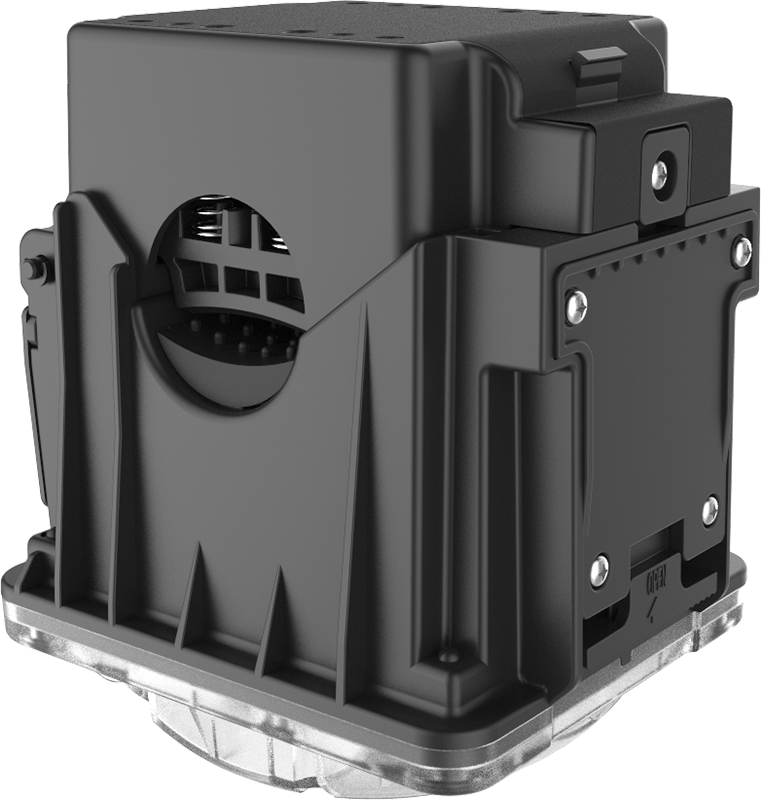
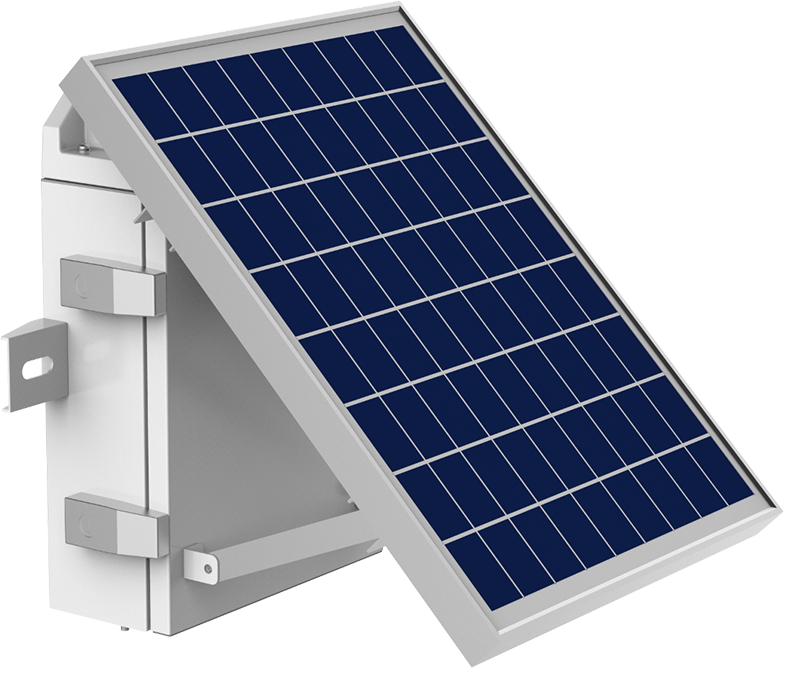
The overhead line fault indicator for distribution networks is an advanced monitoring device designed to enhance the reliability and efficiency of power distribution systems. This sophisticated equipment serves as a crucial tool in quickly identifying and locating faults along overhead power lines, significantly reducing downtime and maintenance costs. The indicator employs state-of-the-art sensing technology to detect various types of faults, including short circuits, earth faults, and temporary disturbances. Its main functions include real-time fault detection, automatic fault location identification, and instant notification to maintenance crews. The device features weatherproof construction, long-lasting battery life, and wireless communication capabilities, making it suitable for diverse environmental conditions. The indicator's advanced sensors can differentiate between temporary and permanent faults, helping utilities prioritize their response efforts. It integrates seamlessly with existing SCADA systems, providing valuable data for network management and predictive maintenance. The technology has proven particularly valuable in rural and remote areas where manual inspection of power lines is time-consuming and resource-intensive. These indicators can be installed without service interruption and require minimal maintenance, offering a cost-effective solution for network operators.


New Products

The overhead line fault indicator brings numerous practical benefits to distribution network operators and utilities. First, it dramatically reduces fault location time from hours to minutes, enabling maintenance teams to respond quickly and efficiently to power outages. This rapid response capability significantly improves customer satisfaction and helps utilities meet their service level agreements. The system's ability to differentiate between temporary and permanent faults prevents unnecessary crew dispatches, leading to substantial cost savings in operational expenses. The indicators provide precise fault location information, eliminating the need for time-consuming line patrols and visual inspections. Their autonomous operation and low maintenance requirements make them an economical choice for long-term network monitoring. The wireless communication feature enables real-time data transmission to control centers, facilitating immediate decision-making and resource allocation. The robust design ensures reliable operation in harsh weather conditions, while the long battery life minimizes maintenance interventions. Integration with existing network management systems enhances overall grid visibility and control. The indicators also contribute to predictive maintenance strategies by providing valuable data on network performance and potential weak points. Their installation doesn't require power interruption, making them ideal for upgrading existing infrastructure without service disruption. The system's scalability allows utilities to expand monitoring coverage gradually according to their needs and budget constraints.

Latest News

How to Choose the Right Photovoltaic Inverter for Your Energy Needs?

28

Aug

How to Choose the Right Photovoltaic Inverter for Your Energy Needs?

Understanding the Critical Role of Solar Power System Components In the rapidly evolving world of renewable energy, photovoltaic inverters serve as the heart of any solar power system. These essential devices transform the direct current (DC) generat...
View More
What Are the Key Technologies Driving Power Grid Modernization?

28

Aug

What Are the Key Technologies Driving Power Grid Modernization?

The Evolution of Modern Electric Infrastructure The traditional power grid, a marvel of 20th-century engineering, is undergoing a remarkable transformation. Power grid modernization represents one of the most significant infrastructure developments o...
View More
AMI in Action: How Real-Time Data Transforms Energy Distribution

25

Sep

AMI in Action: How Real-Time Data Transforms Energy Distribution

Revolutionizing Power Distribution Through Advanced Metering Infrastructure The energy sector is experiencing a remarkable transformation as Advanced Metering Infrastructure (AMI) reshapes how we monitor, manage, and distribute power. This sophistica...
View More
How Do Smart Water Meters Improve Resource Management for Cities?

25

Sep

How Do Smart Water Meters Improve Resource Management for Cities?

Transforming Urban Water Management Through Digital Innovation Urban water management faces unprecedented challenges in the modern era. As cities grow and climate patterns shift, the need for efficient water resource management becomes increasingly c...
View More

Get a Free Quote

Our representative will contact you soon.
Email
Name
Company Name
Message
0/1000

overhead line fault indicator for distribution network

Advanced Fault Detection Technology

Advanced Fault Detection Technology

The overhead line fault indicator employs cutting-edge sensing technology that revolutionizes fault detection in distribution networks. The system utilizes sophisticated algorithms to analyze current patterns and distinguish between different types of faults with remarkable accuracy. This advanced detection capability enables the system to identify transient faults, permanent faults, and even developing issues before they cause major disruptions. The technology incorporates multiple sensing parameters, including current magnitude, duration, and wave form analysis, to ensure reliable fault detection and minimize false alarms. This comprehensive approach to fault monitoring provides network operators with detailed insights into the nature and location of network disturbances, enabling more effective maintenance planning and resource allocation.
Real-time Communication and Monitoring

Real-time Communication and Monitoring

The indicator's communication system represents a significant advancement in network monitoring capabilities. The device utilizes secure wireless protocols to transmit fault information instantaneously to control centers, enabling immediate response to network disturbances. This real-time monitoring capability is enhanced by sophisticated data processing that filters and prioritizes alerts based on their severity and impact. The system supports bi-directional communication, allowing remote configuration and diagnostics without physical access to the devices. This feature is particularly valuable for managing widely distributed networks where manual inspection would be impractical or cost-prohibitive. The communication system is designed with redundancy and fail-safe mechanisms to ensure reliable operation even under adverse conditions.
Cost-Effective Network Management

Cost-Effective Network Management

The economic benefits of implementing overhead line fault indicators extend far beyond initial investment recovery. The system's ability to quickly locate faults dramatically reduces the time and resources required for network maintenance and repair. By eliminating the need for manual line patrols and reducing unnecessary crew dispatches, utilities can achieve significant operational cost savings. The indicators' low maintenance requirements and long service life further contribute to their cost-effectiveness. The system's predictive maintenance capabilities help prevent costly equipment failures by identifying potential issues before they escalate into major problems. This proactive approach to network management leads to improved asset utilization and extended equipment life spans, ultimately resulting in substantial long-term cost savings for network operators.

Get a Free Quote

Our representative will contact you soon.
Email
Name
Company Name
Message
0/1000