power quality
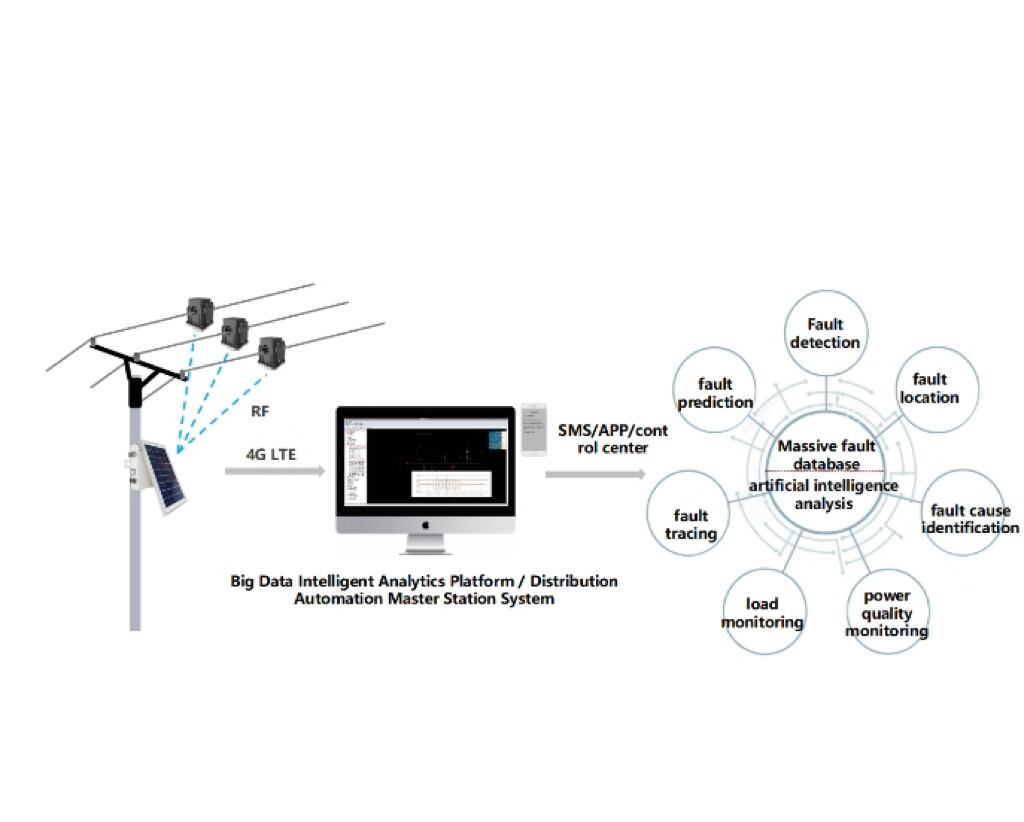
Power quality refers to the measure of electrical power's reliability and performance in electrical systems. It encompasses voltage stability, frequency consistency, and the absence of electrical disturbances that could affect equipment operation. Modern power quality systems integrate advanced monitoring technologies, protective mechanisms, and corrective solutions to ensure optimal electrical supply. These systems utilize sophisticated algorithms to detect anomalies, including voltage sags, surges, harmonics, and transients, while implementing real-time corrections to maintain stable power delivery. The technology incorporates power conditioning equipment, such as uninterruptible power supplies (UPS), voltage regulators, and harmonic filters, working in concert to deliver clean, reliable power. Applications span across various sectors, from industrial manufacturing facilities where precision equipment demands stable power, to data centers requiring uninterrupted operation, and commercial buildings needing consistent energy supply. The system's ability to prevent power-related issues helps protect sensitive electronic equipment, maintain operational continuity, and reduce energy costs through improved efficiency.

 EN
EN