Digital Secondary Power Equipment: Advanced Protection, Control, and Analytics Solutions

Get a Free Quote

Our representative will contact you soon.
Email
Name
Company Name
Message
0/1000

digitalization of secondary power equipment

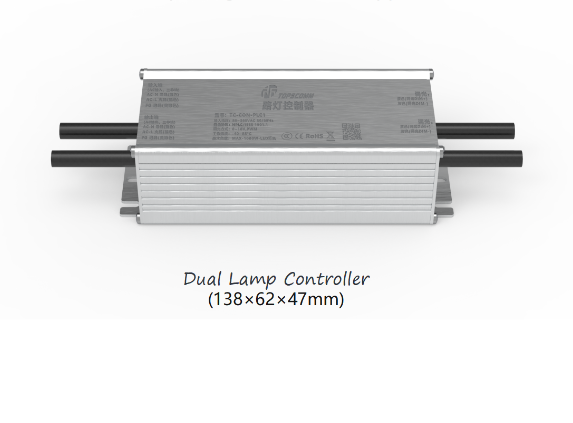
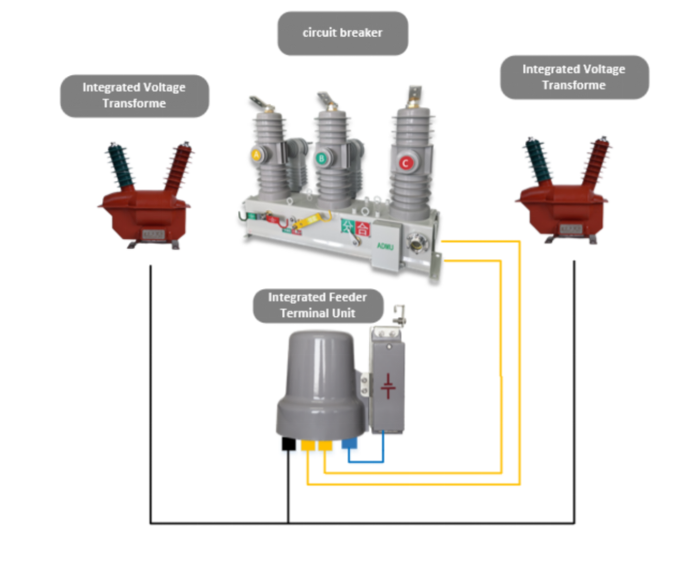
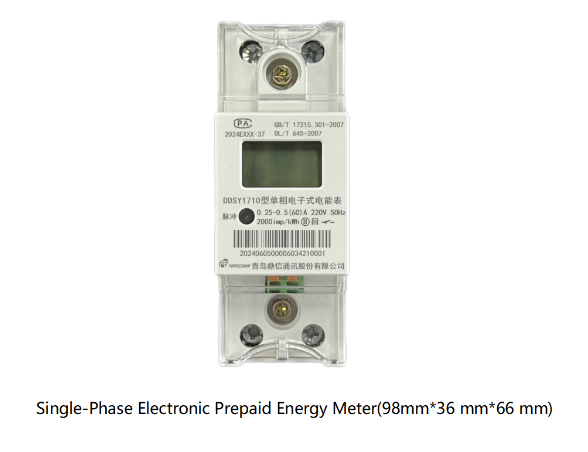
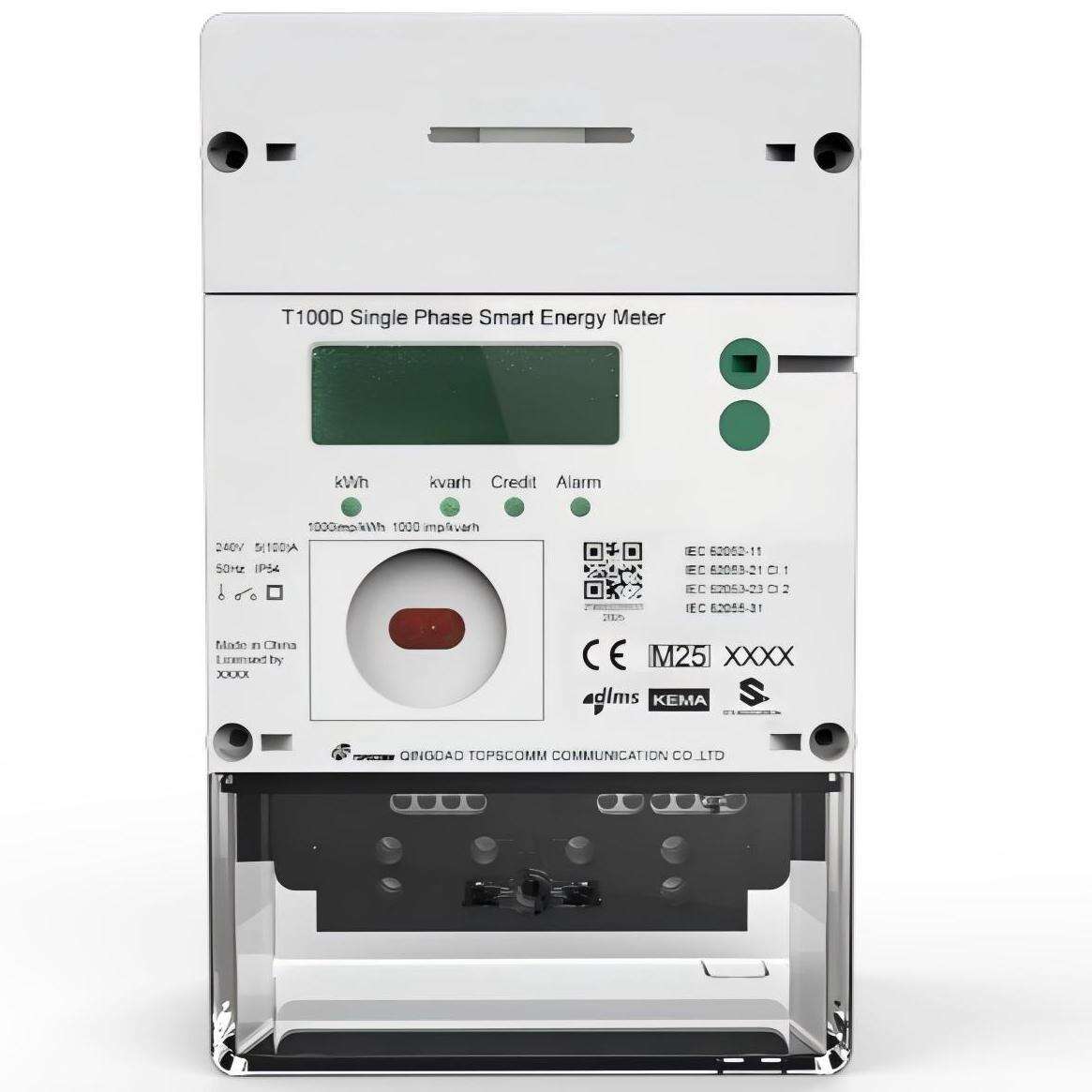
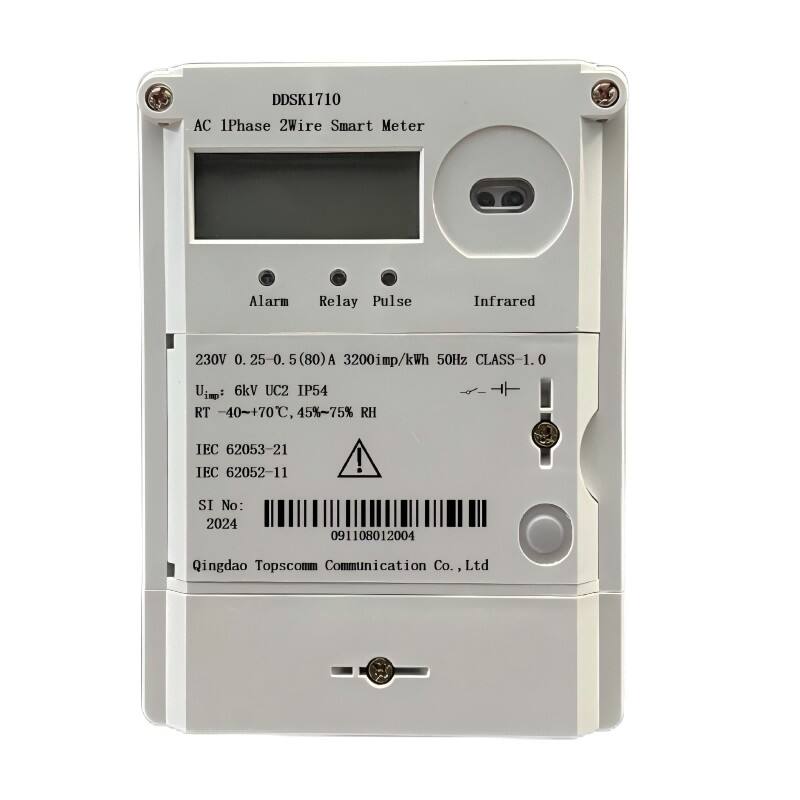
The digitalization of secondary power equipment represents a transformative advancement in power system management and control. This innovative approach integrates digital technologies into traditional power infrastructure, enabling real-time monitoring, automated control, and enhanced system reliability. Secondary power equipment, which includes protection relays, measuring instruments, and control devices, now features sophisticated digital interfaces and smart capabilities. These systems utilize advanced microprocessors and communication protocols to process data, make decisions, and execute commands with unprecedented precision. The digital transformation allows for improved fault detection, faster response times, and more accurate measurements. Modern digital secondary equipment can perform complex calculations, store historical data, and communicate with other devices through standardized protocols. This interconnectivity supports comprehensive power grid management and enables remote monitoring and control capabilities. The technology incorporates advanced security features to protect against cyber threats while maintaining system integrity. Applications range from industrial power distribution to utility-scale power transmission, where digital secondary equipment plays a crucial role in maintaining grid stability and efficiency. The systems also support predictive maintenance strategies by continuously monitoring equipment health and performance metrics.


Popular Products

The digitalization of secondary power equipment offers numerous practical benefits that directly impact operational efficiency and reliability. First, it significantly reduces maintenance costs through predictive maintenance capabilities, allowing operators to address potential issues before they become critical problems. The digital systems provide real-time monitoring and diagnostics, enabling quick identification of anomalies and reducing downtime. Remote access capabilities eliminate the need for frequent on-site inspections, saving time and resources while improving response times to system events. The increased accuracy of digital measurements and controls leads to better power quality and more efficient energy distribution. Digital systems also offer enhanced flexibility in system configuration and updates, allowing for easy adaptation to changing operational requirements without physical hardware modifications. The integration of digital secondary equipment improves safety through advanced protection features and automated responses to dangerous conditions. Data analytics capabilities provide valuable insights into system performance, helping operators optimize operations and plan for future upgrades. The standardization of communication protocols in digital systems simplifies integration with existing infrastructure and enables seamless expansion of power networks. Energy efficiency is improved through precise control and monitoring of power flow, leading to reduced energy waste and lower operational costs. The systems also support environmental sustainability goals by optimizing power distribution and reducing unnecessary energy consumption.

Tips And Tricks

What Are the Key Technologies Driving Power Grid Modernization?

28

Aug

What Are the Key Technologies Driving Power Grid Modernization?

The Evolution of Modern Electric Infrastructure The traditional power grid, a marvel of 20th-century engineering, is undergoing a remarkable transformation. Power grid modernization represents one of the most significant infrastructure developments o...
View More
How Do Smart Water Meters Help Identify Leaks in Real Time?

31

Oct

How Do Smart Water Meters Help Identify Leaks in Real Time?

The Evolution of Modern Water Management Systems Water management has undergone a remarkable transformation in recent decades, with smart water meters emerging as a groundbreaking technology that revolutionizes how we detect and manage water leaks. T...
View More
Why Are Smart Energy Meters Crucial in Building Smart City Infrastructure?

31

Oct

Why Are Smart Energy Meters Crucial in Building Smart City Infrastructure?

The Evolution of Urban Energy Management Through Smart Metering The landscape of modern urban development is experiencing a revolutionary transformation through the integration of smart energy meters. These sophisticated devices serve as the cornerst...
View More
What Should Importers Look for in Top PV Inverter Manufacturers?

31

Oct

What Should Importers Look for in Top PV Inverter Manufacturers?

Understanding the Critical Role of Solar Inverter Manufacturing Excellence The solar energy industry continues to evolve rapidly, and at its heart lies the crucial component that converts DC power to usable AC electricity - the PV inverter. For impor...
View More

Get a Free Quote

Our representative will contact you soon.
Email
Name
Company Name
Message
0/1000

digitalization of secondary power equipment

Advanced Protection and Control Systems

Advanced Protection and Control Systems

Digital secondary power equipment introduces sophisticated protection and control mechanisms that revolutionize power system safety and reliability. The system employs high-speed microprocessors that can detect and respond to faults in milliseconds, significantly reducing the risk of equipment damage and system downtime. Advanced algorithms continuously analyze power flow patterns, identifying potential issues before they escalate into major problems. The protection schemes are adaptive, automatically adjusting their parameters based on real-time system conditions, ensuring optimal protection under varying operational scenarios. This intelligent approach to protection enhances system stability and reduces the likelihood of cascading failures that could lead to widespread outages.
Comprehensive Data Analytics and Reporting

Comprehensive Data Analytics and Reporting

The digital transformation of secondary power equipment enables unprecedented levels of data collection and analysis. These systems generate detailed operational reports and performance metrics that provide valuable insights into system behavior and efficiency. Advanced analytics tools process this data to identify trends, predict potential failures, and optimize system performance. The reporting capabilities include customizable dashboards that present complex information in easily digestible formats, enabling informed decision-making at all levels of operation. Historical data storage and analysis capabilities allow for long-term performance tracking and system optimization, while real-time monitoring provides immediate visibility into system status and operational parameters.
Seamless Integration and Scalability

Seamless Integration and Scalability

Digital secondary power equipment is designed with interoperability and future expansion in mind. The systems utilize standardized communication protocols that enable smooth integration with existing infrastructure and third-party devices. This compatibility ensures that organizations can gradually upgrade their systems without disrupting ongoing operations. The scalable architecture allows for easy addition of new components and functionality as needs evolve. Cloud connectivity options provide flexible deployment scenarios and enable centralized management of distributed power systems. The modular design approach facilitates system updates and maintenance while minimizing downtime and operational impact.

Get a Free Quote

Our representative will contact you soon.
Email
Name
Company Name
Message
0/1000